


This data-driven approach is also great for sharing benefits with stakeholders or planning future financial tech investments. Sit down with your team and make a clear list of your absolute must-have features versus the nice-to-haves. Understanding https://www.bookstime.com/ these core requirements upfront will give you a solid framework to evaluate potential software, ensuring you choose a tool that genuinely tackles your most pressing challenges.
Explainable AI for Trust and Compliance
Don’t wait till the end QuickBooks Accountant of a quarter to reconcile intercompany transactions, only for discrepancies to pile up and become harder to address. Instead, increase your reconciliation frequency from quarterly to monthly, weekly, or even daily if you handle large transaction volumes. Make sure everyone books intercompany transactions by the same deadline. However, when you break the process down into clear, manageable steps, it becomes much easier to execute.
Advanced strategies for intercompany reconciliation

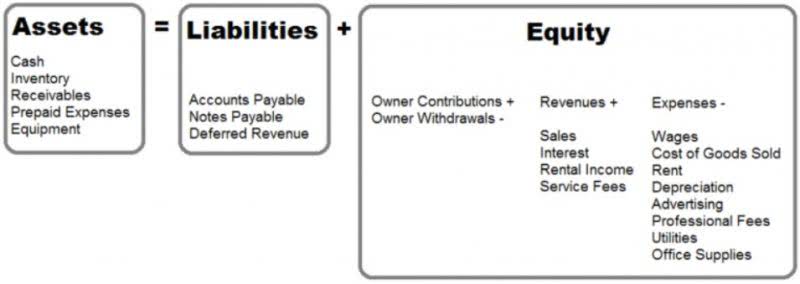
Company A’s asset entry should correspond to Company B’s liability entry. The main consideration when setting up the data source are the leading unit and partner unit settings. The standard data sources are setup for the company code – trading partner relationship. However it is also possible to support intracompany matching and reconciliation with ICMR on profit center / partner profit center or Segment / partner-segment level. This is handled in the data source leading unit and partner unit settings.
The Common Headaches of Manual Reconciliation
- This is absolutely key for accurate global financial reporting and keeping a strategic eye on the bigger picture.
- This process is not just about keeping the books clean – it’s about maintaining financial integrity, ensuring compliance with regulations, and providing a clear picture of a company’s overall financial status.
- Each intercompany transaction must be recorded consistently—same amount, timing, and description.
- By leveraging intelligent automation, intercompany reconciliation tools eliminate the need for manual data entry and cross-checking, significantly reducing reconciliation time.
- Centralized data systems improve visibility across all entities, allowing for real-time monitoring and reconciliation.
Even when transactions are similar, differences in classification or reporting can result in mismatches that are time-consuming to resolve. Finance teams often spend excessive time reformatting or translating data before reconciliation can even begin due to the lack of a unified data structure. The intercompany process includes recording and settling transactions between intercompany reconciliation subsidiaries. Intercompany reconciliation means matching financial transactions between subsidiaries to ensure accuracy.
- Automated matching improves accuracy and minimizes the risk of errors in intercompany accounting.
- Ensure compatibility with your ERP and accounting systems for real-time data flow.
- Additionally, it enables easy analysis, auditing and reporting of financial data in an accurate and timely manner.
- Intercompany accounting is the process of recording and managing financial transactions between legally different entities within the same parent company.
- By adjusting processes, updating systems, and preparing teams, organizations can address compliance risks and operational challenges tied to intercompany reconciliations under IFRS 15 and IFRS 16.
- A fraud detection system is a technology platform that identifies, prevents, and responds to fraudulent financial activity.
- To do this properly, all journal entries that involve an intercompany transaction should use a standard means of identification and data entry.
- Doing a good job with intercompany reconciliation helps follow rules and avoid money problems.
- Thorough documentation throughout any account reconciliation process creates an audit trail that supports compliance requirements, increases operational efficiency, and facilitates future reviews or audits.
- For example, if a parent company sells goods to its subsidiary, both must record the transaction correctly.
- Despite increased digital adoption, many Malaysian financial institutions still use traditional fraud monitoring tools that struggle to keep pace with modern threats.
- This topic includes information about theintercompany reconciliation reports.
Users can define templates for these postings, specifying details like posting keys, target general ledger accounts, and offset general ledger accounts. Indicate the legal entity of the receiver organization.Select the legal entity receiver for the reconciliation extract process. Indicate the legal entity of the provider organization.Select the legal entity provider for the reconciliation extract process. Run the Intercompany Reconciliation report before you run intercompany elimination.
AI-powered fraud systems bring a level of intelligence and speed that traditional systems cannot match. While not essential, automation significantly reduces errors and saves time. It’s simple, widely used, and most people know how to operate it to some extent. However, just like pen and paper, it has its limitations, especially when it comes to handling complex, large-scale reconciliations. While it might be sufficient for smaller businesses or less complicated tasks, it’s not the most robust or error-proof method out there. Even though manual reconciliation is possible, it’s time-consuming and prone to errors, particularly as the pressure mounts towards month-end.
The intercompany reconciliation infolets displays thedefault view of the reconciliation, allows drill down to the reconciliationreports, and also lets you run the reconciliation extraction process. When multiple companies operate under the same parent company, transactions such as the transfer of goods or services, loans, or payments for shared expenses may occur between them. These transactions are recorded in the respective books of accounts of the companies involved. Intercompany reconciliation ensures that all these transactions are accurately recorded and balanced, and any discrepancies or errors are identified and corrected.
For multi-entity organisations, this process is vital for maintaining the integrity of the financial data and preventing double entries across these different subsidiaries. Centralizing intercompany data reduces redundant entries and creates a single source of truth. With centralized data, finance teams can track intercompany transactions more effectively, reducing confusion and discrepancies.